UC Fieldwork : The Changing Face Of Supply
Original fieldwork from the front lines of the black market.

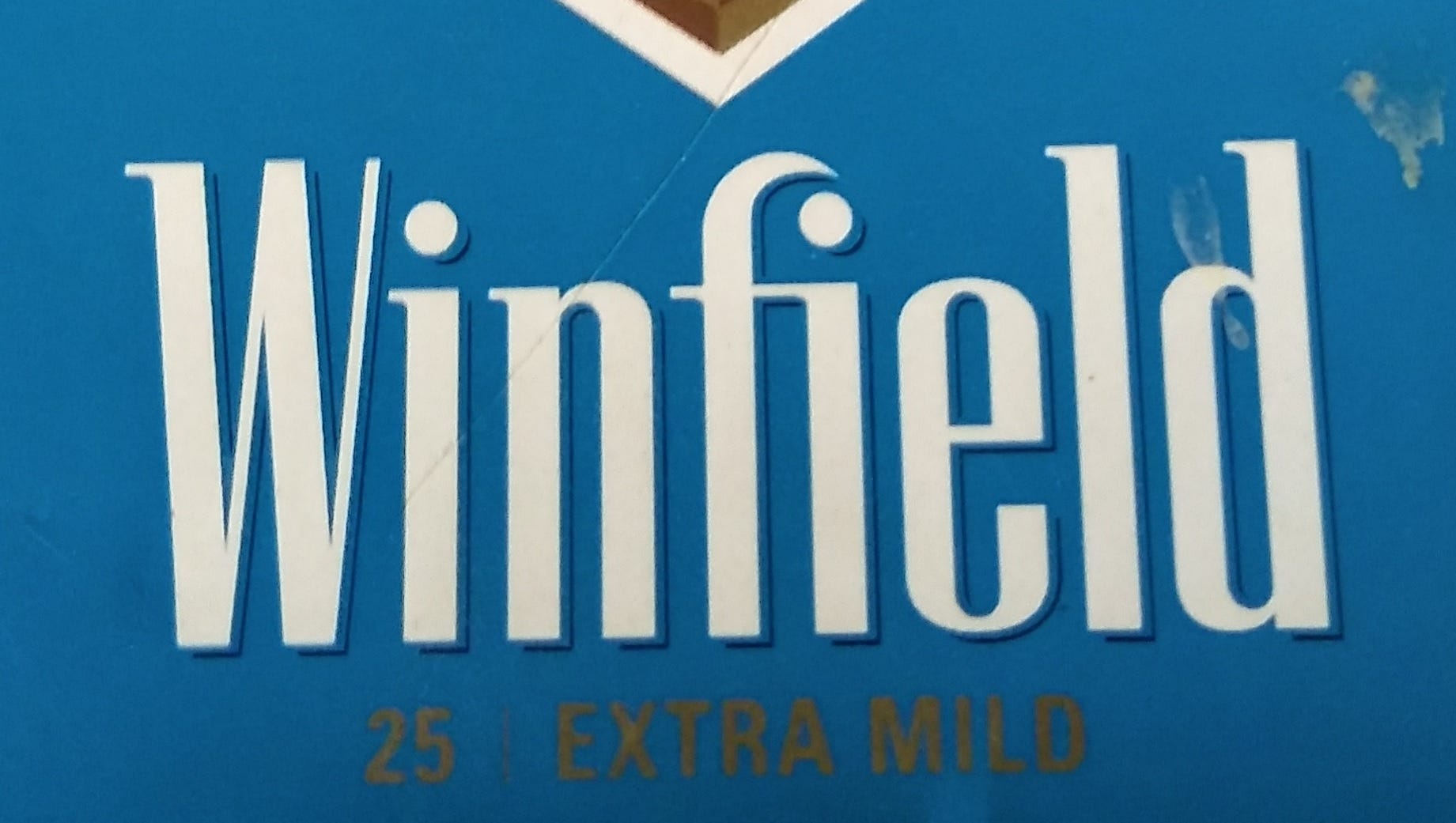
The Australian market never ever ceases to amaze. I’ve written about buying cigarettes from strangers in an alleyway. I’ve written about buying black market darts from a tobacconist based in a transit van. I’ve written about the changing intensity of retail enforcement, about the seizures and raids authorities conduct and the structural differences of the Australian market itself.
You’d think by now I’d have seen it all. But there’s always something new to find out, some development in either method or the within the range of products themselves.
The Australian illicit tobacco and cigarette market is based around smuggling. With the highest rates of taxation in the world on legal market products, the potential for exploiting tax arbitrage through importing untaxed low cost cigarettes is obvious. The illegal market is now larger than the legal one - with the tax gap so large the Australian Tax Office has absolved themselves of the responsibility of quantifying it.
Some of the products are legitimate smuggled brands from low cost producers in China and the UAE. Some are counterfeited versions of major international brands that come from Indonesia and other Southeast Asian countries. There is some recent evidence that limited manufacturing of counterfeited brands occurs here in Australia.
But everything I’d seen on the market in years of documenting it fit neatly into one of those three buckets. Until today that is.
Today I found something new.
The thing about the Australian market is that, for all its chaos, it’s predictable chaos. The actors change, the brands rotate, the routes shift, but the underlying mechanics stay the same. Smuggling fills the gap created by taxation. Counterfeiting fills the gap created by demand. Low cost producers fill the gap created by enforcement pressure.
But today broke that logic.
What we found wasn’t smuggled.
Wasn’t counterfeit.
Wasn’t low cost import.
It was legitimate, fully compliant Australian duty product - the kind that normally moves through one of the most tightly regulated supply chains in the country - selling at a price point that simply cannot exist inside the legal system.
Eighty percent below retail.
Below wholesale.
Below the tax load itself.
In one of the grey market retailers still operating, sitting innocently next to its smuggled brethren, sat a pack of Winfield Original Classic. A quick web search reveals this variant sell for as much as A$50 (US$35) from legitimate retailers.
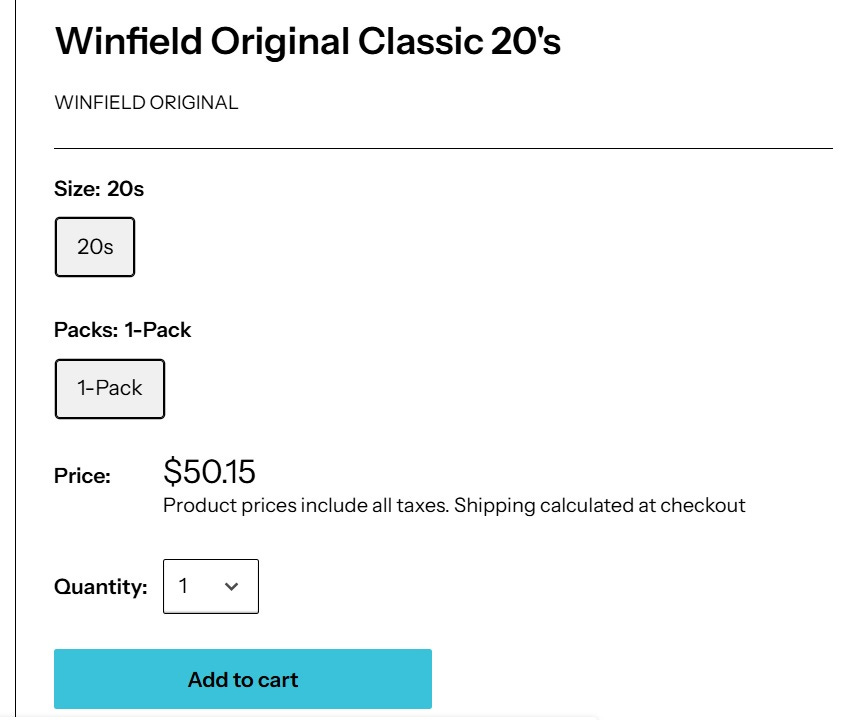
The black market was selling them for A$10 (US$7)
A price like that doesn’t happen by accident.
Not in Australia.
Not under this excise regime.
A$10 isn’t a discount - it’s a structural impossibility. The tax load alone on a compliant pack of Winfield exceeds that number by 300%. Even wholesalers, even the biggest players with the deepest volume discounts, can’t get anywhere near it. There is no legitimate pathway inside the regulated system that produces a compliant pack at that price.
Which means this wasn’t a bargain.
It was a breach.
And that’s what makes today different.
Because 99.99% of the “cheap” product in Australia fits neatly into one of three categories:
Smuggled illicit whites from China, the UAE, or Malaysia
Counterfeit versions of major brands manufactured in Indonesia or Southeast Asia
Low cost producers manufacturing for grey markets under shell companies
Those buckets explain almost everything. They’ve explained almost everything for years. They’re the backbone of the illicit economy - predictable, repeatable, structurally logical.
But this pack didn’t belong to any of them.
This was domestic.
This was compliant.
So how does something like this end up on a grey market shelf at a price that undercuts the tax load itself?
There are only a few plausible explanations, and none of them are small.
Diversion is the most likely explanation. Product slipping out of a legitimate distributor or warehouse before excise is reconciled. A leak upstream, not downstream.
Dumping is possible - distressed stock, insolvency, or an internal overhang being quietly offloaded through irregular channels.
Laundering is the long shot. Illicit product being blended with legitimate packaging - but the quality here suggests a cleaner origin.
Counterfeiting is technically possible but seems the least likely outcome of all. The level of effort required hardly justifies the rewards - smuggled fakes, Chinese and Dubai brands sell just as easily and also in the ten dollar price range.
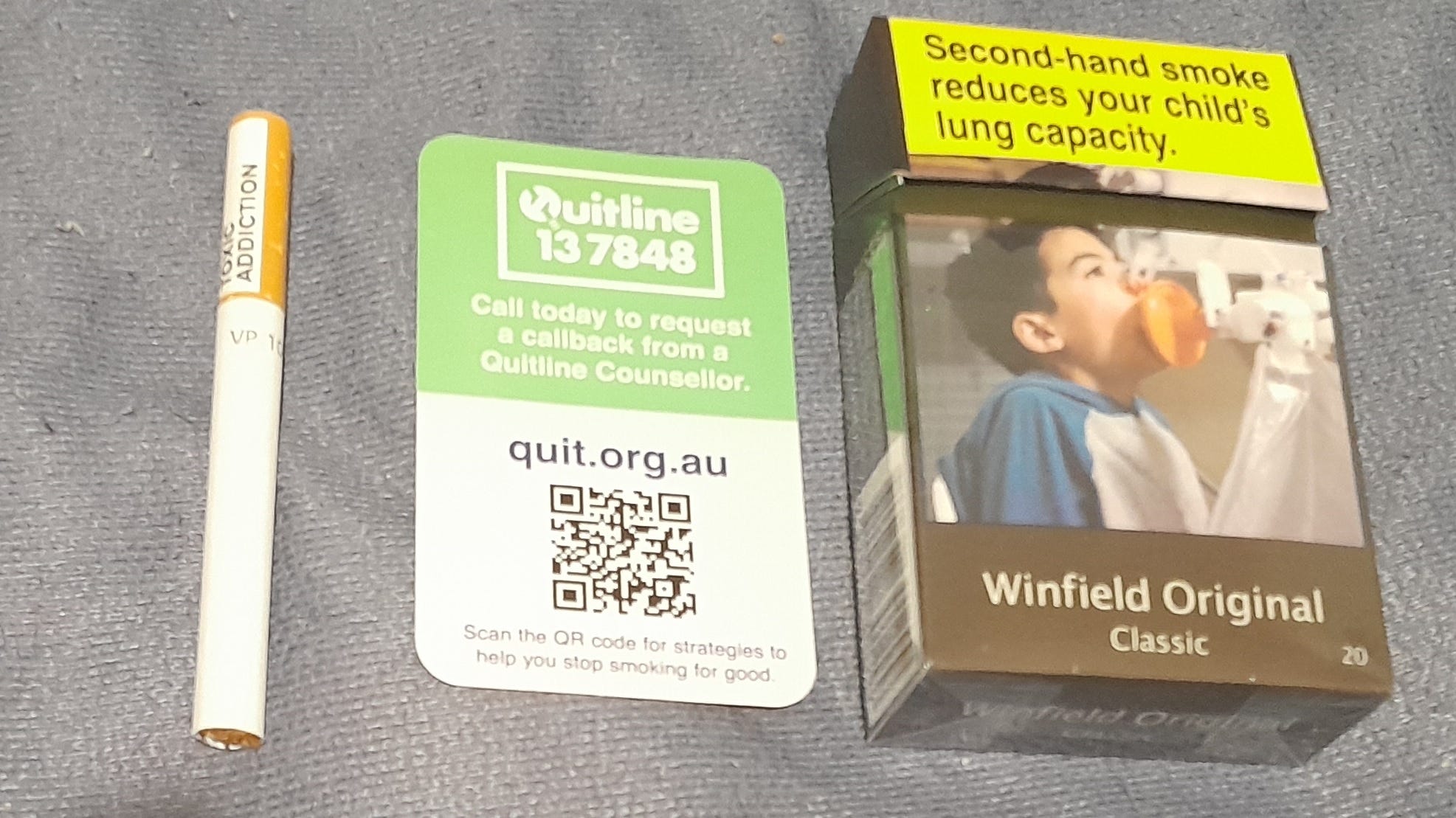
Australia updated its regulations on legal products only last April. Cigarettes now must come with a mandatory health information insert, and the filters themselves need to have warnings printed on them.
The black market Winfield were fully compliant. Would a counterfeiting ring go to this level, and for what purpose?
Whatever the mechanism, the implication is the same:
the regulated supply chain isn’t as sealed as everyone assumes.
If compliant product is now entering the illicit market - even in small quantities - it signals a shift in the architecture of supply. A new front opening. A new method emerging. A new pressure point forming somewhere upstream.
This wasn’t just a cheap pack on a shelf.
It was a signal.
A quiet one, but unmistakable.
In a market this tightly regulated, compliant product doesn’t just wander off course. It doesn’t fall off the back of a truck without someone noticing, and it doesn’t materialise on a grey market shelf at a price that undercuts the tax load by a factor of three. Whether this was a leak, a dump, a theft in transit, or something stranger still, the conclusion is the same.
Somewhere upstream, a seal has failed. And once a system built on containment starts to leak - even quietly, even once - it means the architecture isn’t as airtight as everyone assumes. This wasn’t a cheap pack. It was a warning shot.
The investigation continues.